
Appetite Control Help: Разверни описание👇
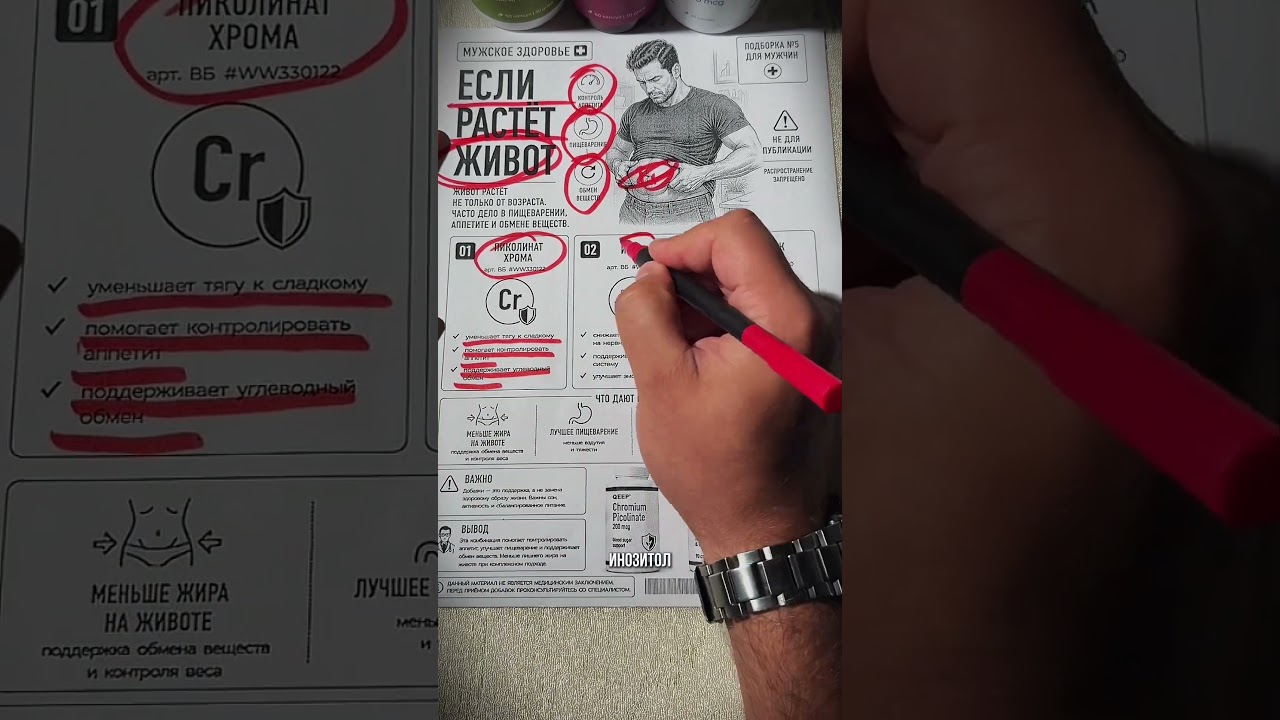

Searching for stress and appetite control? Begin with the video below, then support your progress with better meal structure, more protein, and more consistent habits.
More stable hunger usually improves with better routine structure, not quick fixes. Consistent eating, better recovery, and less chaotic snacking can make a bigger difference than trying to be perfect.
stress and appetite control Tips and Video
Published: 2026-06-22 04:30:15
View Count: 18310
View the original video on YouTube
Simple ways to improve stress and appetite control
- Build meals around protein and fiber
- Avoid going too long without balanced meals
- Take sleep more seriously when cravings are high
- Reduce common situations that lead to overeating
- Keep appetite control simple enough to stay consistent
If stress and appetite control has been difficult, realistic habits usually work better than all-or-nothing effort.
What often slows stress and appetite control progress
- Skipping meals and overeating later
- Underestimating emotional eating triggers
- Keeping too many trigger foods easy to reach
- Using “cheat” cycles that lead to rebounds
Helpful content related to stress and appetite control
- More appetite help
- More daily fat loss habits
- More metabolism boost posts
- Belly fat support posts
- Simple protein recipes
- Healthy snack ideas
Popular review sections
Quick FAQ about stress and appetite control
Is protein useful for stress and appetite control?
Usually, yes. Protein often helps with fullness and meal consistency.
Does sleep affect stress and appetite control?
Often, yes. Better sleep usually supports better routine control over eating.
What usually improves stress and appetite control over time?
Simple structure usually matters most. Small improvements followed consistently usually help more than extreme short-term effort.
Recommended next step
Check today’s featured weight loss support
Affiliate links may appear on this page.

